The information on this website is general in nature and does not take into account your objectives, financial situation, or needs. Consider seeking personal advice from a licensed adviser before acting on any information.
Boat insurance is a type of coverage designed to protect you financially when unpredictable events arise while you're on the water. When your boat is damaged or causes damage to another vessel, boat insurance can help cover the cost of repairs or reimbursements to third parties. In this guide, we'll go over the basics of boat insurance and how to make a claim on your policy when you need it.
What Is Boat Insurance and Why Do You Need It?
Boat owners should consider getting boat insurance as it can provide financial protection in case of an unexpected accident. If you’re financing your boat, many lenders actually require that you have boat insurance before they'll give you a loan. Even if you own your vessel outright, it's always a good idea to protect your investment with a quality boat insurance policy.
Types of Boat Insurance to Consider
There are several types of boat insurance policies available, such as liability coverage, collision coverage, towing and assistance coverage, and comprehensive coverage. Liability coverage typically covers any damage you may cause to other boats or property, as well as any injury you may cause to another person. Collision coverage is designed to pay for the costs of repairing or replacing your boat if it’s damaged in a collision. Towing and assistance covers costs incurred when your boat needs to be towed or if you require any other type of assistance. Comprehensive coverage is designed to protect your vessel against any damage it might sustain while it's not in the water.
What Does Boat Insurance Cover?
Each policy will differ in what it specifically covers, but most policies cover damage to the boat itself, as well as any equipment or property onboard. Additionally, many policies provide liability coverage that will take care of any costs related to injuries or property damage you may cause to others while operating your boat.
Understanding the Claims Process
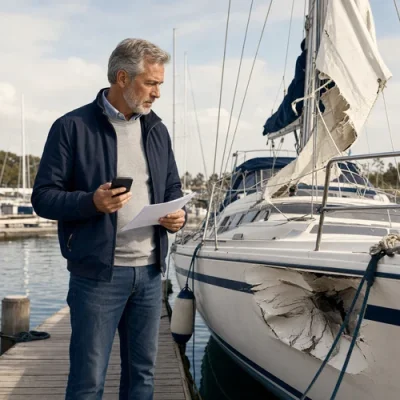
Before you can make a claim on your boat insurance policy, it's important to understand the claims process. Typically, you will need to provide information about the incident that led to your claim, including the date and time, location, and a description of what happened. You will also need to gather any necessary paperwork, such as police or accident reports, photos and videos of the damage, and a copy of your insurance policy.
Once you have all the necessary information, you can contact your insurance provider to start the claims process.
Gather All Necessary Information
When making a claim on your boat insurance policy, it's critical to gather all necessary information about the incident. This may include:
- The date and time of the incident
- The location of the incident
- A detailed description of what happened
- Any police or accident reports related to the incident
- Photos or videos of the damage to your boat
- A copy of your boat insurance policy
- Any other relevant documents or information
By having all this information ready and organized before contacting your insurer, you can streamline the claims process and ensure a faster resolution to your claim.
Tips for Making a Successful Claim
Making a boat insurance claim can be a stressful process, but there are a few things you can do to increase your chances of success. First, it's important to report the incident as soon as possible to your insurance provider. This will give you a better chance of having your claim processed in a timely manner.
Another important tip is to keep detailed records of the incident. This includes taking photos of any damage to your boat, as well as any other boats, property or persons involved. If possible, take photos of the scene from several different angles. These photos can help to provide evidence of the extent of the damage, which can be important in the claims process.
It's also a good idea to get a written estimate for the cost of repairs from a reputable boat repair company. This estimate can help to verify the extent of the damage and provide evidence of the costs involved. Finally, it's important to cooperate fully with your insurer. This means answering any questions they have honestly and providing any additional information or documentation they require to process your claim.
Error: That model is currently overloaded with other requests. You can retry your request, or contact us through our help center at help.openai.com if the error persists. (Please include the request ID c46111d54209f35e9e7d5e9412c178c3 in your message.)
Conclusion
Now that you know how to make a claim on your boat insurance policy, it's important to remember that safety should always be your top priority while out on the water.
Make sure you have all the necessary safety equipment on board, such as life jackets, flares, and a fire extinguisher. Always check the weather forecast before heading out and be mindful of any potential hazards, such as strong currents or rocky areas.
By taking these precautions and being prepared for any situations that may arise, you can help ensure a safe and enjoyable boating experience for everyone on board.
Remember, in case of an emergency at sea, remain calm, seek help, and contact your insurance company as soon as possible. Following the guidelines outlined in your policy and cooperating with your insurance company can help you get back on the water with confidence.
Stay safe and enjoy your boating adventures!
Published: Tuesday, 13th Jun 2023
Author: Paige Estritori



No comments yet. Be the first to share your thoughts.